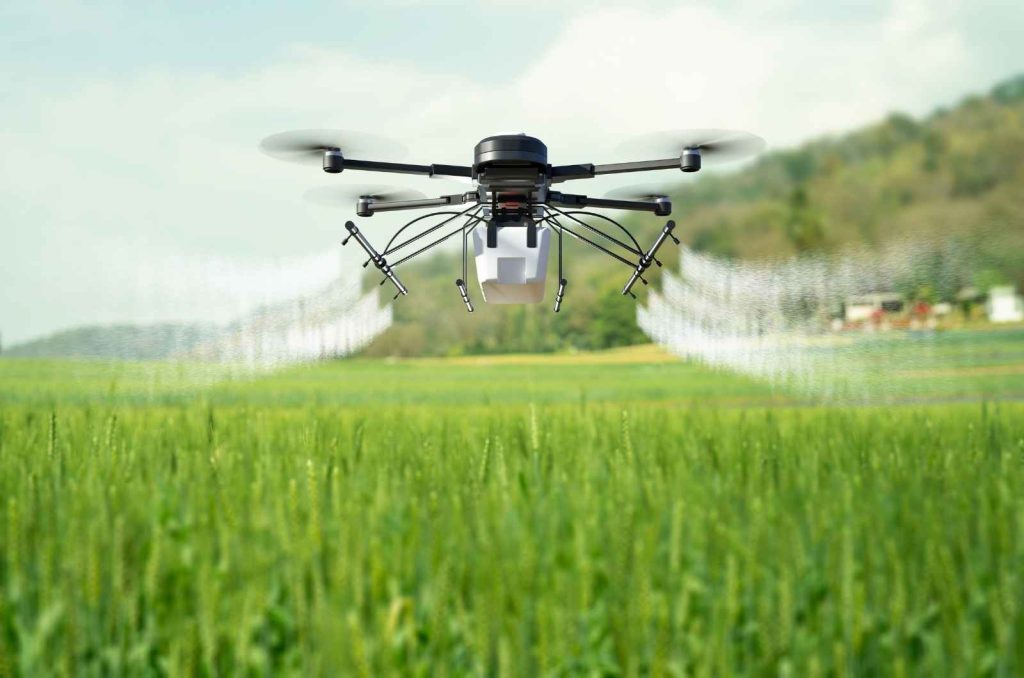
What Is Drone Docking Technology?
Drone docking technology refers to the development of advanced, autonomous stations where drones can land, recharge, download data, and even load or unload cargo without human intervention. This technology is a cornerstone in the evolution of drone operations, enabling drones to perform longer missions, minimize downtime, and operate in a more seamless and efficient manner. Essentially, these docking stations act as home bases or pit stops for drones, facilitating continuous operation by automating the processes of recharging and data management.
In the context of agriculture, drone docking technology offers a revolutionary way to manage and deploy drone fleets for various tasks such as crop monitoring, spraying, and mapping. By integrating these autonomous docking stations into farming operations, agricultural professionals can enhance their productivity and precision, ensuring that drones are always ready to go when needed. This advancement is particularly significant given the growing demand for sustainable and efficient farming practices, making drone docking technology a key player in the future of agriculture.
Why Is Drone Technology Important for Modern Agriculture?
Drone technology has become an indispensable tool in modern agriculture, revolutionizing the way farming operations are conducted. The importance of drones in agriculture stems from their ability to significantly enhance efficiency, precision, and sustainability across various farming activities. With the capability to cover large areas quickly, drones provide farmers with detailed aerial views, enabling them to monitor crop health, soil conditions, and water usage more effectively than traditional methods.
The precision offered by drones allows for targeted interventions, reducing the wastage of resources such as water, fertilizers, and pesticides. This not only leads to cost savings but also minimizes environmental impact, contributing to more sustainable farming practices. Moreover, drones equipped with advanced sensors can collect valuable data, offering insights into crop growth patterns, pest infestations, and yield predictions. This data-driven approach helps farmers make informed decisions, optimizing crop production and quality.
In an era where the demand for food is increasing alongside the challenges posed by climate change, drone technology provides a viable solution to enhance productivity while preserving resources. By adopting drone technology, the agricultural sector can address these challenges head-on, ensuring food security and sustainability for future generations.
How Do StrixDrones Enhance Agricultural Practices?
StrixDrones, a leader in drone docking technology, plays a pivotal role in enhancing agricultural practices through its innovative solutions. By offering advanced docking stations and drone delivery systems, StrixDrones enables farmers and agricultural professionals to leverage drone technology more effectively and efficiently. These systems are designed to support a wide range of drones, making it easier for farmers to integrate drone technology into their operations, regardless of the specific models they use.
One of the key ways StrixDrones enhances agricultural practices is through its autonomous and universal docking stations, such as the Strix1600 and Strix2100. These stations allow drones to autonomously land, recharge, and download data, significantly reducing downtime and enabling continuous operation. This capability is crucial for tasks like crop monitoring, where frequent and consistent data collection is vital for detecting issues early and taking corrective action.
Furthermore, StrixDrones' DroneDrop delivery system revolutionizes how agricultural inputs, such as seeds, fertilizers, and pesticides, are distributed across farmlands. By enabling precise and efficient delivery, StrixDrones helps reduce waste and ensure that resources are utilized optimally, contributing to more sustainable farming practices.
Overall, StrixDrones' technologies empower farmers to harness the full potential of drones, driving advancements in agricultural efficiency, precision, and sustainability.
What Are the Benefits of Using Drone Docking Stations in Farming?
The integration of drone docking stations into farming operations offers a multitude of benefits that significantly enhance agricultural productivity and sustainability. These benefits stem from the autonomous nature of the docking stations, which streamline drone operations, making them more efficient and effective.
Firstly, drone docking station facilitate continuous operation by providing drones with a designated place for recharging and data transfer. This reduces downtime and ensures that drones can operate for longer periods, covering more ground for tasks such as crop surveillance, mapping, and spraying. The ability to quickly recharge and deploy means that farmers can respond more swiftly to the needs of their crops, enhancing crop health and yields.
Secondly, the autonomous data downloading and processing capabilities of these stations enable real-time data analysis. Farmers receive timely insights into crop health, soil moisture levels, and potential pest infestations, allowing for prompt and informed decision-making. This data-driven approach leads to more precise and targeted interventions, optimizing resource use and reducing waste.
Lastly, the use of drone docking stations contributes to sustainability in farming. By enabling precise application of water, fertilizers, and pesticides, these stations help minimize the environmental impact of agricultural practices, promoting more eco-friendly farming methods.
In summary, drone docking stations enhance farming efficiency, decision-making, and sustainability, making them a valuable addition to modern agricultural operations.
The Future of Farming with Drone Technology
The future of farming is indelibly linked to the advancement and integration of drone technology, particularly through innovations like drone docking stations. As demonstrated, these technologies offer remarkable benefits, from enhanced efficiency and data-driven decision-making to increased sustainability. StrixDrones and similar companies are at the forefront of this transformation, providing the tools necessary for farmers to navigate the challenges of modern agriculture successfully. As drone technology continues to evolve, its role in agriculture is set to become even more pivotal, promising a future where farming is not only more productive but also environmentally responsible, securing food supplies for generations to come.